What is the HbSAg Test?
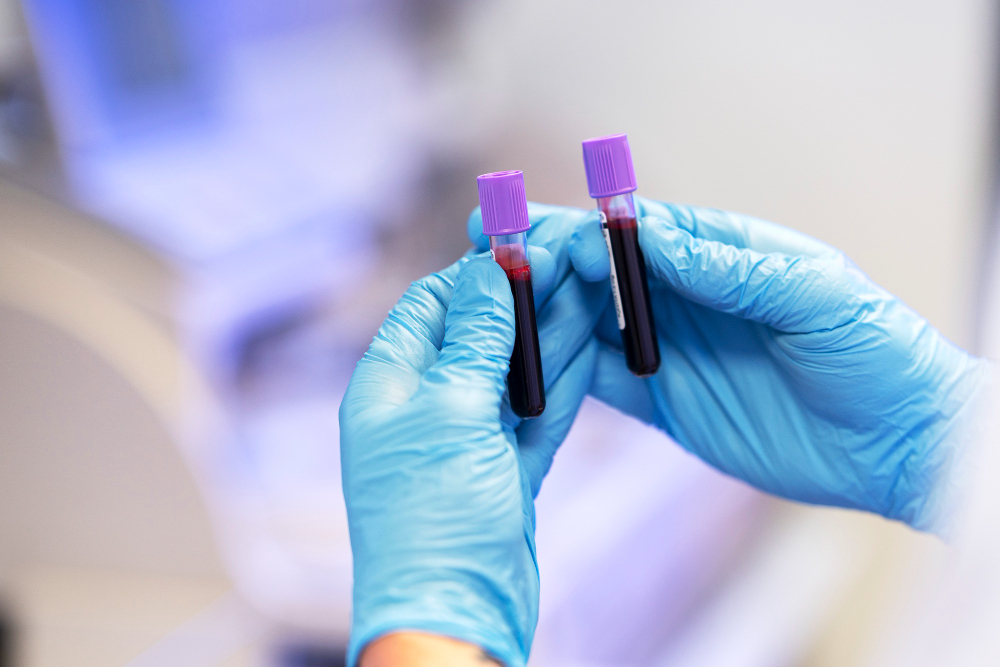
The HbSAg test, also called the Hepatitis B surface antigen test, is a simple blood test for hepatitis B. It checks if you have the hepatitis B virus in your blood. Many people ask, “What is the HbSAg test?” In short, this test looks for a protein made by the virus. If the protein is found, it means you may have an active hepatitis B infection. Because hepatitis B can harm your liver, early testing is important. The World Health Organization (WHO) and the Centers for Disease Control and Prevention (CDC) recommend this test for people at risk.
Why is the HbSAg Test Done?
Doctors use the HbSAg test for several reasons. First, it helps find out if someone has hepatitis B. Second, it can check if a person is a carrier of the virus. Third, it helps protect others by finding people who can spread the virus. In many cases, the test is done for:
Sometimes, the test is part of a routine health check, especially in areas where hepatitis B is common.
How is the HbSAg Test Performed?
The HbSAg test is quick and simple. Usually, a nurse or technician takes a small blood sample from your arm. The steps are easy to follow:
Most people feel only a slight pinch. After the test, you can return to your normal activities. In some locations, you may need to fast before the test, but often, no special preparation is needed. Always ask your healthcare provider if you have questions.
Understanding Your HbSAg Test Results
After the test, your doctor will explain the results. There are two main outcomes:
If your result is positive, your doctor may order more tests. These help find out if the infection is new or long-term. Sometimes, people with a positive test do not feel sick. However, they can still spread the virus to others. Because of this, follow-up is important. The CDC notes that early treatment can help prevent liver damage.
What to Do After the Test
Once you get your results, talk to your doctor. If your test is negative, you may not need to do anything else. However, if you are at risk, your doctor may suggest getting the hepatitis B vaccine. If your test is positive, your doctor will guide you on the next steps. These may include:
Remember, only a healthcare professional can give you the best advice for your situation.
Prevention and Lifestyle Tips
Even though Hepatitis B can be serious, it is preventable with the right care and awareness. Follow these essential steps to protect yourself and others:
Along with testing, maintaining a healthy diet, avoiding alcohol, and getting regular check-ups can help protect your liver. If you live in an area with higher rates of Hepatitis B, regular screening is especially important.
For accurate testing and personalised guidance, visit Ravindra Singh Chouhan Diagnostic for a comprehensive HbSAg test and expert advice on protecting your liver health.